
High Frequency PCB Materials Comparison: Rogers vs Taconic vs Arlon vs Shengyi vs Wangling for RF & Microwave PCB Design
Compare Rogers, Taconic, Arlon, Shengyi, and Wangling high frequency PCB materials for RF, microwave, radar, and 5G applications. Learn Dk, Df, cost, processing difficulty, and the best material selection strategy for high-frequency PCB design.
High Frequency PCB Materials Comparison: Rogers vs Taconic vs Arlon vs Shengyi vs Wangling
When designing RF circuits, microwave modules, 5G antennas, automotive radar systems, or satellite communication equipment, selecting the right high frequency PCB material is one of the most critical engineering decisions.
The performance of a high frequency PCB depends heavily on substrate characteristics such as dielectric constant (Dk), dissipation factor (Df), thermal stability, moisture absorption, and manufacturability.
Among the most widely used materials in the industry are Rogers, Taconic, Arlon, Shengyi, and Wangling. Each offers unique advantages in terms of electrical performance, production cost, and application suitability.
In this guide, we compare these five major high frequency PCB material suppliers based on real-world RF and microwave PCB manufacturing experience.
Why High Frequency PCB Material Selection Matters
As signal frequencies move into the GHz range, conventional FR-4 materials begin to show significant limitations:
Higher insertion loss
Increased signal attenuation
Poor impedance stability
Stronger glass weave effects
Reduced signal integrity
For applications such as:
5G Base Stations
RF Power Amplifiers
Microwave Filters
Automotive Radar
Satellite Communication Systems
Phased Array Antennas
specialized high frequency PCB materials become essential.
For a detailed overview of high frequency PCB structures and manufacturing methods, visit:
Major High Frequency PCB Material Suppliers
Rogers Corporation
Rogers is widely regarded as the benchmark for high frequency PCB materials.
Popular products include:
RO4350B
RO4003C
RO3003
RT5880
RT6002
RT6010
Key Advantages
Excellent dielectric stability
Extremely low loss
Outstanding thermal reliability
Proven military and aerospace performance
Typical Applications:
77GHz Automotive Radar
Satellite Communications
Military Electronics
Millimeter Wave Systems
Official technical resources:
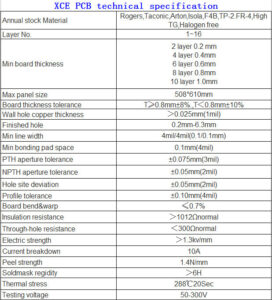 Rogers RO4350B and RT5880 high frequency PCB materials for RF and microwave applications
Taconic
Taconic focuses heavily on PTFE-based RF laminates.
Popular products include:
TLY Series
TLX Series
RF-35
TLC Series
Key Advantages
Ultra-low dielectric loss
Excellent phase stability
Preferred material for antenna designers
Typical Applications:
5G Antennas
RF Filters
Directional Couplers
Microwave Antenna Arrays
Arlon
Arlon materials are known for their excellent manufacturing compatibility.
Popular products include:
AD Series
25N
25FR
Key Advantages
Easier drilling and lamination
Excellent mixed-material compatibility
High manufacturing yield
Typical Applications:
RF Mixed-Lamination PCBs
Commercial Microwave Systems
Medium-Volume Production
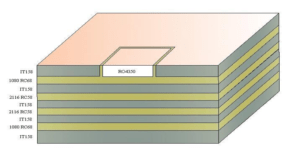
Rogers vs Taconic dielectric loss comparison for microwave PCB applications
Shengyi
Shengyi has become one of China’s leading PCB laminate suppliers.
Popular products include:
S1000 Series
S7000 Series
Low-loss Modified Epoxy Materials
Key Advantages
Competitive pricing
Strong supply chain
Excellent high-speed digital performance
Typical Applications:
AI Servers
Data Centers
High-Speed Networking Equipment
Entry-Level RF Designs
Wangling
Wangling has become a leading domestic alternative for imported high frequency materials.
Popular products include:
F4B Series
TP-2 Series
Key Advantages
Lower cost
Domestic supply security
Competitive RF performance
Typical Applications:
Commercial 5G Antennas
Industrial Microwave Equipment
Beidou Navigation Systems
Cost-Sensitive RF Projects
Electrical Performance Comparison
Dissipation Factor (Df)
Lower values indicate lower signal loss.
Performance ranking:
Taconic
Rogers
Arlon
Wangling F4B
Shengyi
Dielectric Constant (Dk) Coverage
| Brand | Typical Dk Range |
|---|---|
| Rogers | 2.2–10.2 |
| Taconic | 2.15–6.15 |
| Arlon | 3.0–3.5 |
| Shengyi | 3.4–4.0 |
| Wangling | 2.2–25 |
Thermal and Environmental Stability
Ranking:
Rogers
Taconic
Arlon
Wangling
Shengyi
For outdoor telecom infrastructure, automotive radar, and aerospace systems, Rogers and Taconic remain the preferred choices.
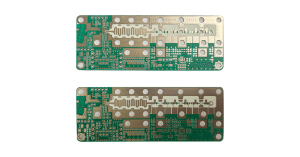
High frequency PCB material Dk and Df comparison chart
Manufacturing Difficulty Comparison
From easiest to most challenging:
Arlon
Shengyi
Wangling
Rogers Hydrocarbon Series
Taconic PTFE Series
PTFE-based materials require specialized drilling, plasma treatment, and lamination processes. Selecting an experienced RF PCB manufacturer is often more important than choosing the material itself.
Learn more about advanced PCB manufacturing capabilities:
Cost Comparison
Typical cost ranking:
Rogers > Taconic > Arlon > Shengyi > Wangling
Selection Recommendations
Choose Rogers when:
Performance is the top priority
Automotive radar is involved
Military qualification is required
Choose Taconic when:
Antenna efficiency is critical
Ultra-low loss is required
Choose Arlon when:
Mixed-material multilayer PCB designs are needed
Manufacturing yield is important
Choose Shengyi when:
High-speed digital applications dominate
Cost control is essential
Choose Wangling when:
Import substitution is desired
Budget-sensitive RF products are being developed
How Material Selection Impacts High Frequency PCB Manufacturing
Even the best RF laminate cannot compensate for poor manufacturing practices.
Key manufacturing factors include:
Controlled impedance design
LDI imaging accuracy
Lamination process control
TDR impedance verification
Material Dk/Df validation
Signal integrity testing
For engineering support and RF PCB manufacturing guidance, visit: